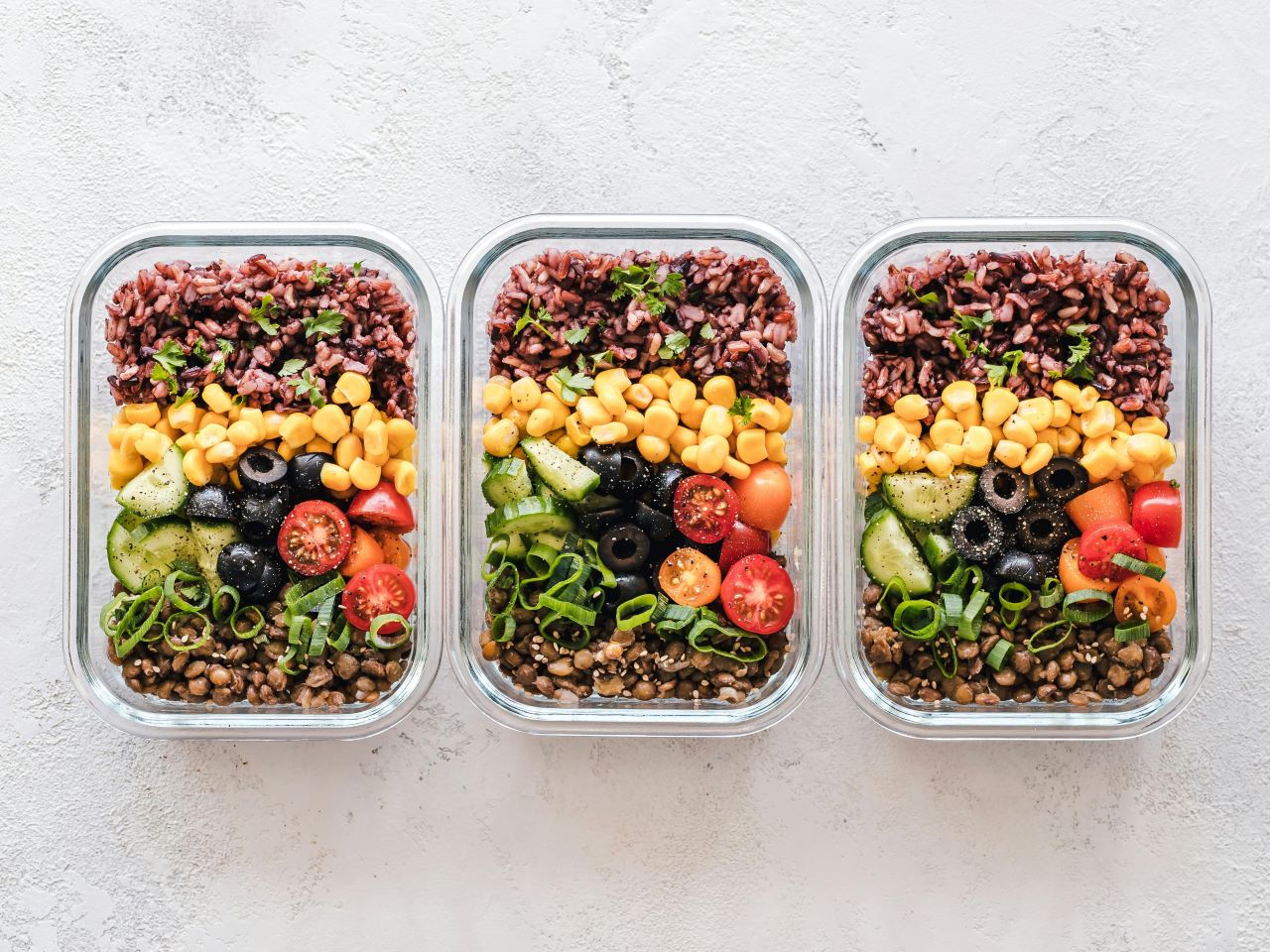
What if I told you there’s a simple way to avoid the stress, eat better, and save over $200 every month? Enter meal planning to save money!
If you’ve ever stared into your fridge at 6 p.m. wondering, “What’s for dinner?” you’re not alone. I’ve been there, too—ordering takeout out of desperation or running to the store for a “quick” (and expensive) fix. Planning ahead can prevent that.
Meal planning isn’t just about organizing your meals for the week—it’s a total game-changer for your budget, your time, and your peace of mind. Let’s dive into why meal planning works and how you can get started today.
After that, check out our post on apps to save money on groceries, too! Combining the tips of these two posts will help you save even more. 😉
Table of Contents
Why Does Meal Planning Save Money?
Before we get into the nitty-gritty of how to meal plan, let’s talk about why it’s such a powerful tool for saving money:
1. It Reduces Food Waste
How many times have you tossed out wilted lettuce or moldy leftovers because you didn’t get around to eating them? (No judgment—I’ve done it, too!) The average family wastes about 30% of the food they buy. That’s money straight in the trash!
Meal planning helps you buy only what you need and ensures everything has a purpose. No more forgotten veggies in the back of the fridge!
2. It Curbs Impulse Buys
When you head to the grocery store without a plan, it’s easy to get distracted by sales or cravings. With a meal plan, you go in with a clear list and stick to it, which helps you avoid spending on things you don’t need.
3. It Eliminates Last-Minute Takeout
Those impromptu pizza nights or drive-thru runs add up fast. By planning your meals, you’re less likely to resort to takeout because you already have a delicious, budget-friendly dinner ready to go.
4. It Maximizes Ingredients
Meal planning allows you to reuse ingredients across multiple recipes. For example, you might buy a pack of chicken breasts to use in a stir-fry one night and tacos the next. Stretching ingredients saves you money and time!
How to Start Meal Planning to Save Money
If you’re new to meal planning, don’t worry—it doesn’t have to be overwhelming! Follow these simple steps to get started:
Step 1: Take Inventory
Before you plan your meals, check what you already have in your pantry, fridge, and freezer. Use up items that are nearing their expiration date to avoid waste.
Step 2: Plan Your Meals for the Week
Decide what you’ll eat for breakfast, lunch, dinner, and snacks. Start by planning dinners, then fill in the other meals. Be realistic—if you know you have a busy night coming up, plan for a quick and easy meal.
Step 3: Create a Shopping List
Once you’ve planned your meals, write down the ingredients you’ll need. Stick to your list when you shop to avoid unnecessary purchases.
Step 4: Prep Ahead
Set aside some time to prep your ingredients or even cook a few meals in advance. This makes weeknight dinners a breeze and keeps you from reaching for takeout.
Sample Weekly Meal Plan
Here’s an example of a simple, budget-friendly meal plan for a family of four:
Monday:
- Dinner: Spaghetti with marinara sauce, garlic bread, and a side salad.
Tuesday:
- Dinner: Chicken stir-fry with rice and mixed veggies.
Wednesday:
- Dinner: Slow cooker chili with cornbread.
Thursday:
- Dinner: Tacos with ground turkey, lettuce, cheese, and salsa.
Friday:
- Dinner: Homemade pizza night (use store-bought dough and leftover toppings).
Saturday:
- Dinner: Baked salmon, roasted potatoes, and steamed broccoli.
Sunday:
- Dinner: Leftovers or a “clean out the fridge” night.
Pro Tips for Meal Planning Success
1. Use What You Have
Base your meals around ingredients you already own. This saves money and ensures nothing goes to waste.
2. Shop Sales and Coupons
Plan your meals around items that are on sale or that you have coupons for. For example, if chicken breasts are on sale, make chicken-based meals that week.
3. Batch Cook
Double or triple recipes to make extra servings you can freeze for later. This is perfect for busy nights when you don’t have time to cook.
4. Keep It Simple
You don’t need to cook gourmet meals every night. Stick to easy, budget-friendly recipes with simple ingredients.
5. Include Leftovers
Plan to eat leftovers for lunch or dinner. It saves time and money!
How Much Can You Save by Meal Planning?
Let’s break it down:
- Reduced food waste: Save $50–$75/month by using up ingredients instead of throwing them out.
- Fewer impulse buys: Save $20–$30/month by sticking to your list.
- Cutting takeout: Save $100–$150/month by cooking at home instead of ordering out.
That adds up to over $200 every month, or $2,400+ a year. Imagine what you could do with that extra money!
Final Thoughts
Meal planning is a simple yet powerful way to save money, reduce stress, and eat better. It might take a little time to get into the habit, but trust me—it’s worth it. Start small, use the free printable template, and make adjustments as needed.
Have you tried meal planning before? What’s your favorite budget-friendly meal? Let me know in the comments—I’d love to hear your ideas and tips!
Leave a Reply